

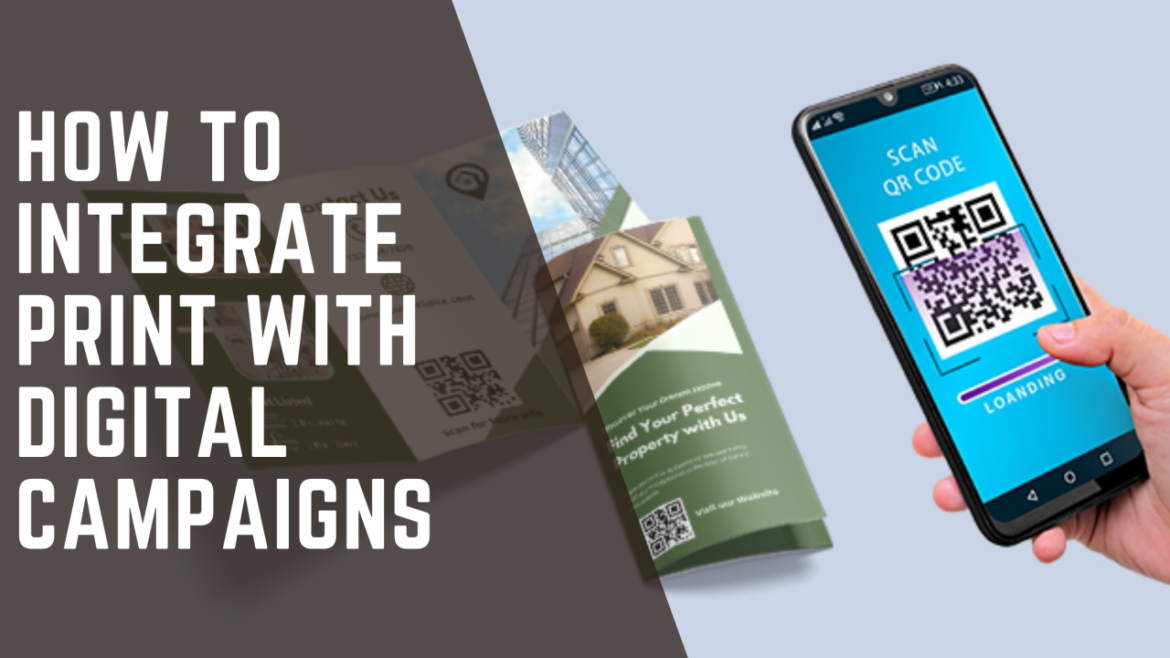
How to Integrate Print with Digital Campaigns
https://perfectcommunications.com/wp-content/uploads/2026/06/IntegratePrintCampaigns-1024x576.png 1024 576 Nick Merola Nick Merola https://secure.gravatar.com/avatar/f421fd64a370846d120784dae21e15d12e64b0e41ee2dc7243a15ef78a5abbe0?s=96&d=mm&r=gUsing QR Codes, Landing Pages, and Tracking to Maximize Results
In today’s marketing landscape, the most successful campaigns don’t choose between print or digital—they use both together. When print and digital are strategically integrated, they reinforce each other, extend campaign life, and provide measurable results.
Print captures attention. Digital captures data. When combined, they create a seamless customer journey from mailbox to mobile.
This blog breaks down how to integrate print with digital campaigns, using practical examples of QR codes, custom landing pages, and tracking tools that turn traditional print into a powerful, measurable marketing engine.
Why Print + Digital Works So Well
Consumers are overwhelmed with digital ads, emails, and notifications. Print cuts through that noise by being physical, tactile, and personal—while digital provides speed, interactivity, and analytics.
Together, they:
- Increase engagement and response rates
- Extend brand visibility across channels
- Allow precise tracking and optimization
- Create a smoother customer experience
The goal is simple: use print to drive action, and digital to capture and measure it.
1. QR Codes: The Bridge Between Print and Digital
QR codes are one of the easiest and most effective ways to connect print materials to digital experiences.
How QR Codes Work in Print Campaigns
A QR code printed on a postcard, brochure, poster, or package allows users to instantly access digital content by scanning with their smartphone.
Smart Ways to Use QR Codes
- Direct mail → landing page
- Event signage → registration form
- Brochure → product demo video
- Packaging → reorder page or instructions
- Sales materials → personalized offer
Best Practices for QR Codes
- Always include a clear call-to-action (e.g., “Scan to Get Your Offer”)
- Make sure the destination is mobile-optimized
- Test the code before printing—every time
- Track scans using dynamic QR codes
When done right, QR codes remove friction and encourage instant engagement.
2. Landing Pages: Where Engagement Turns into Action
Sending users to a homepage is a missed opportunity. Instead, print campaigns should link to custom landing pages built specifically for the campaign.
What Makes a Great Print-Driven Landing Page?
- One clear message that matches the printed piece
- A single, focused goal (sign-up, download, purchase, RSVP)
- Minimal navigation and distractions
- Strong visuals and concise copy
- Mobile-first design
Examples of Print-to-Landing-Page Campaigns
- Postcard campaign → exclusive promotional offer page
- Flyer → appointment scheduling page
- Catalog → personalized product recommendations
- Trade show handout → lead capture form
Landing pages ensure the experience feels intentional—not random—once the user leaves print and enters digital.
3. Tracking & Analytics: Making Print Measurable
One of the biggest myths about print is that it’s “not trackable.” In reality, modern print campaigns can be just as measurable as digital ads
Tools That Enable Print Tracking
- Unique QR codes for different audiences or regions
- Personalized URLs (PURLs) tied to individual recipients
- UTM parameters for digital analytics platforms
- Form tracking and conversion pixels
What You Can Track
- Number of scans or visits
- Time spent on landing pages
- Form completions or purchases
- Geographic and demographic trends
- ROI by campaign segment
This data allows marketers to refine messaging, improve targeting, and justify marketing spend with real performance insights.
4. Personalization: Where Print + Digital Truly Shine
Personalized print combined with digital tracking creates a highly relevant experience that drives higher response rates.
Examples of Personalization
- Recipient-specific QR codes
- Personalized URLs (e.g., FirstName.YourBrand.com)
- Variable data printing matched to digital offers
- Targeted messaging based on past behavior
Personalization makes customers feel recognized—and that recognition translates into action.
5. Real-World Campaign Example
Scenario: A company sends out a direct mail postcard promoting a limited-time offer.
Integrated Elements:
- A bold printed design with a QR code
- QR code links to a campaign-specific landing page
- Landing page includes a short form and exclusive discount
- Tracking measures scans, conversions, and location
Result: The company can clearly see how many people engaged with the print piece, what actions they took, and how much revenue the campaign generated—turning print into a data-driven channel.
Final Thoughts: Print Is Stronger When It’s Connected
Print doesn’t compete with digital—it completes it. When thoughtfully integrated, print becomes the entry point to deeper digital engagement, stronger customer relationships, and measurable marketing success.
The most effective campaigns today:
- Capture attention offline
- Drive action online
- Measure performance continuously
If your print isn’t connected to digital, you’re leaving value on the table.