

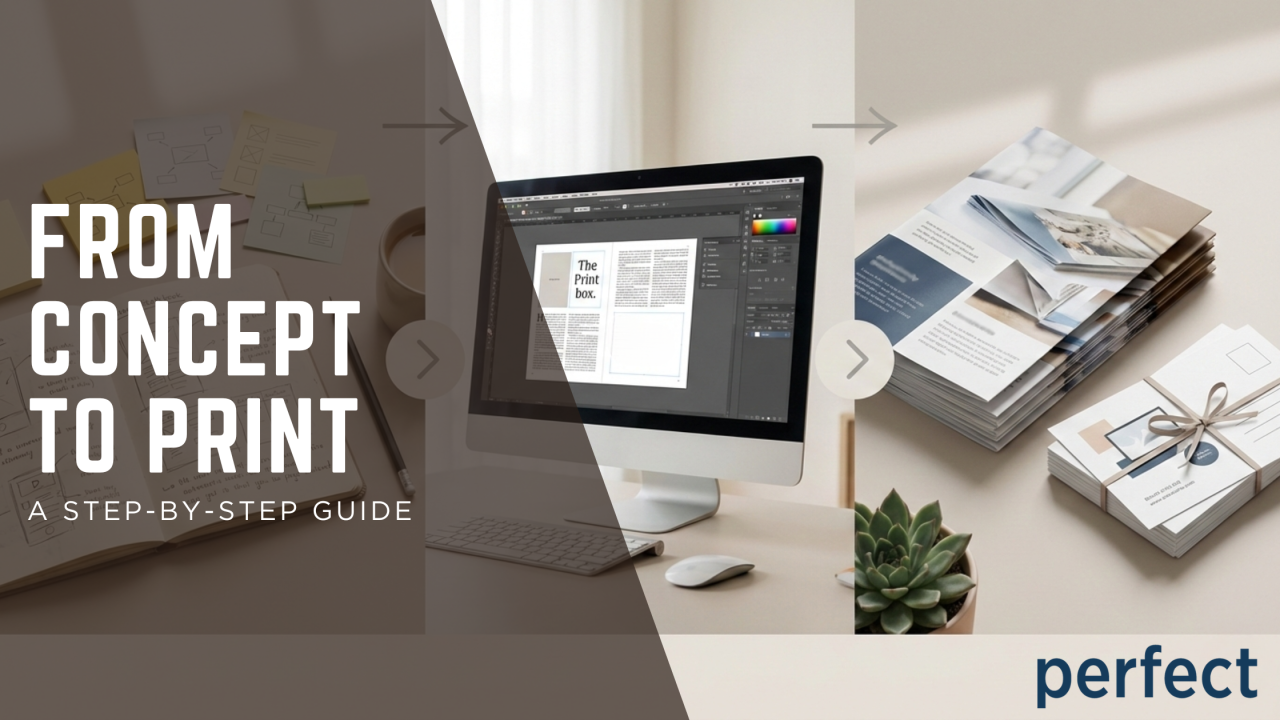
Bringing a print project to life is more than just putting ink on paper. From the first spark of an idea to holding the finished piece in your hands, the print process is a collaboration of creativity, strategy, and precision. Whether you’re producing a brochure, direct mail campaign, signage, or branded collateral, understanding each step helps ensure a smooth experience and a high-quality final product.
Here’s a behind-the-scenes look at how a print project goes from concept to print.
Step 1: Brainstorming & Defining the Goal
Every successful print project starts with a clear purpose. Before design or production begins, it’s important to ask:
- Who is this piece for?
- What action do we want the audience to take?
- Where and how will it be used?
- What is the timeline and budget?
This early planning stage ensures the project is aligned with your brand and marketing goals. Whether it’s driving event attendance, boosting sales, or increasing brand awareness, clarity upfront saves time and avoids costly revisions later.
Step 2: Creative Direction & Design
Once the concept is defined, it’s time to bring the idea to life visually. This is where messaging, branding, and layout come together.
Key elements considered during design include:
- Typography and readability
- Brand colors and imagery
- Paper size and format
- Finishes such as coatings, folds, or embellishments
Designing specifically for print is crucial—color modes, bleed, margins, and resolution all play a role in how the final piece will look. A strong design doesn’t just look good on screen; it’s built to perform in the real world.
Step 3: Prepress & File Preparation
Before printing begins, files go through a detailed prepress process to ensure everything is production-ready. This step helps catch issues before they become problems.
Prepress checks include:
- Color accuracy and consistency
- Image resolution
- Bleed and trim settings
- Font embedding
- File formatting
This stage is all about precision. Small adjustments here can make a big difference in the final quality of the piece.
Step 4: Choosing the Right Print Method
Not all print projects are created equal, and selecting the right printing method is essential.
Depending on the project, factors such as quantity, timeline, and customization determine whether digital, offset, or large-format printing is the best fit. Each method has its own advantages, and choosing the right one ensures efficiency, cost-effectiveness, and top-tier results.
Step 5: Printing & Quality Control
This is where the magic happens. Once everything is approved, the project moves into production.
During printing, quality control is key. Color consistency, alignment, and overall finish are closely monitored to ensure the final product meets expectations. Attention to detail at this stage ensures every piece reflects the brand accurately and professionally.
Step 6: Finishing Touches
Finishing is what takes a print piece from good to great. This may include:
- Cutting and trimming
- Folding or binding
- Laminating or coating
- Foil stamping, embossing, or die-cutting
These details enhance durability, visual impact, and the overall feel of the piece—often making the strongest impression on the end user.
Step 7: Delivery & Distribution
Once complete, the final product is carefully packaged and delivered. For some projects, this also includes fulfillment, mailing, or distribution services to ensure the materials reach the right audience at the right time.
Seeing the finished product come together is the most rewarding step—proof that a great idea, executed well, makes a lasting impact.
Bringing It All Together
From the first idea to the final delivery, the print process is a journey that blends creativity with craftsmanship. When each step is handled with care and expertise, the result is a printed piece that doesn’t just communicate—it connects.
At Perfect Communications, we guide our clients through every stage of the process, ensuring projects are seamless, efficient, and truly “perfect” from start to finish.
Leave a Reply